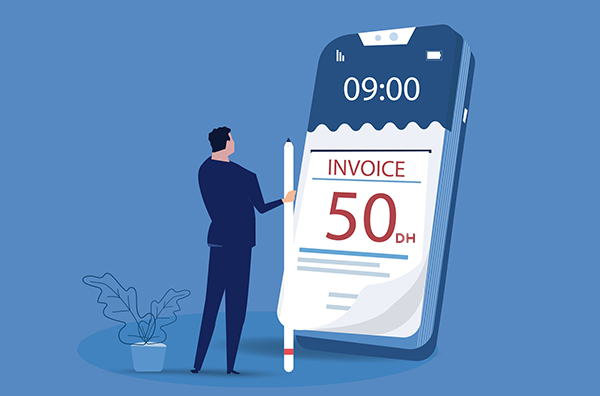
E-invoicing in Morocco is a major shift in how businesses handle their accounting and pre-accounting work. This digital transformation goes far beyond simple invoice digitization: it involves a complete redesign of invoicing and accounting processes.
The Electronic Invoice: Definition and Accounting Implications
An electronic invoice is not just a scanned invoice or a PDF. In the context of digital accounting, it is a structured document that follows an entirely digital lifecycle: generation, transmission, reception, processing, and archiving.
The Three Digital Invoice Formats
For pre-accounting and accounting purposes, three formats stand out:
1. Unstructured formats:
- PDFs or scanned documents
- Cannot be processed automatically by accounting systems
- Require manual data entry
2. Hybrid formats:
- PDFs with embedded XML data (such as FacturX)
- Enable accounting automation
- Readable by both humans and machines
3. Structured formats:
- Standardized formats for automatic accounting processing
- International standards (UBL, XML)
- Optimized for accounting integration
Impact on Accounting and Administrative Management
Benefits for Accounts Payable:
- Automated accounting data entry
- Fewer bookkeeping errors
- Full audit traceability
- Faster bank reconciliations
Benefits for Accounts Receivable:
- Automated invoice issuance
- Real-time payment tracking
- Direct integration into accounting
- Stronger tax compliance
International Implementation Models
International experience reveals several approaches to e-invoicing, each carrying different implications for accounting:
1. The Post-Audit Model
- Direct exchanges between businesses
- Periodic accounting declarations
- After-the-fact tax audits
2. The Clearance Model
- Tax validation before invoice issuance
- Real-time accounting integration
- Used in Brazil and India
3. The Centralized System
- Single government platform
- Standardized accounting entries
- Example: the Italian system
4. The Decentralized Approach
- Network of certified partners
- Interconnected accounting systems
- The model adopted by France
The Transformation of Accounting in Morocco
The digitization of invoicing in Morocco, set in motion by the 2018 Finance Law, will deeply reshape accounting practices. This shift requires careful preparation:
Implementation Challenges
- Technical complexity of the systems
- Adapting accounting processes
- Training accounting staff
- Managing the transition period
Key Considerations for Pre-Accounting
- Regulations are likely to evolve after launch
- A holistic approach is needed, not just a technical one
- Impact on validation and control processes
- Interoperability with existing systems
How to Prepare Your Business?
Transition Recommendations
1. Audit of Current Processes
- Assessment of accounting practices
- Identification of areas for improvement
- Training needs analysis
2. Strategic Planning
- Selecting the right technical solutions
- Adapting accounting procedures
- Staff training plan
3. Gradual Rollout
- Testing the new procedures
- Ongoing team training
- Monitoring and adjustments
This digital transformation of invoicing is a major opportunity to modernize the accounting function of Moroccan businesses. Proper preparation will not only ensure regulatory compliance but also optimize accounting and administrative processes.
Start Your Digital Transition Today
Get ahead of Morocco’s e-invoicing mandate with einvoice.ma. Our platform already supports major international standards like FacturX and UBL, ensuring a smooth transition to electronic invoicing.
Why Choose einvoice.ma?
- Compatible with international standards
- Ready for Morocco’s upcoming regulations
- Complete invoice management solution
- Personalized support
Prepare your business for the future of E-Invoicing in Morocco. Try our solution with no commitment and get expert guidance.